
Floating Homes
History of Floating Homes & Houseboats
The history of floating homes and houseboats, from the Thalamegos of Ptolemy IV to Amsterdam's canals and the future of on-water living.
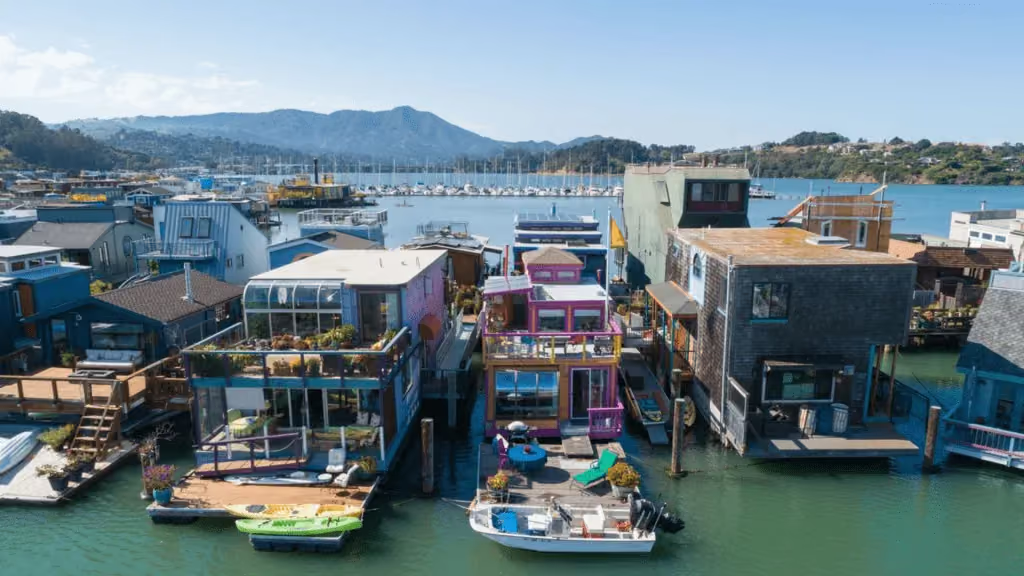
There's been a bit of buzz about floating homes recently, with some experts even suggesting that floating communities may address displacement caused by climate change. As interest in floating homes and houseboats continues rising, you may wonder where this lifestyle originated. Marine dwellings have developed over centuries, with more exciting developments ahead.
Floating homes are not interchangeable with houseboats, but both share similarities to the history of pleasure cruising, a departure from traditional maritime use for travel, commerce, or warfare. While contemporary floating homes and houseboats as understood today emerged around 1880, the concept of luxuriating aboard a ship dates to ancient times.
Historic Examples
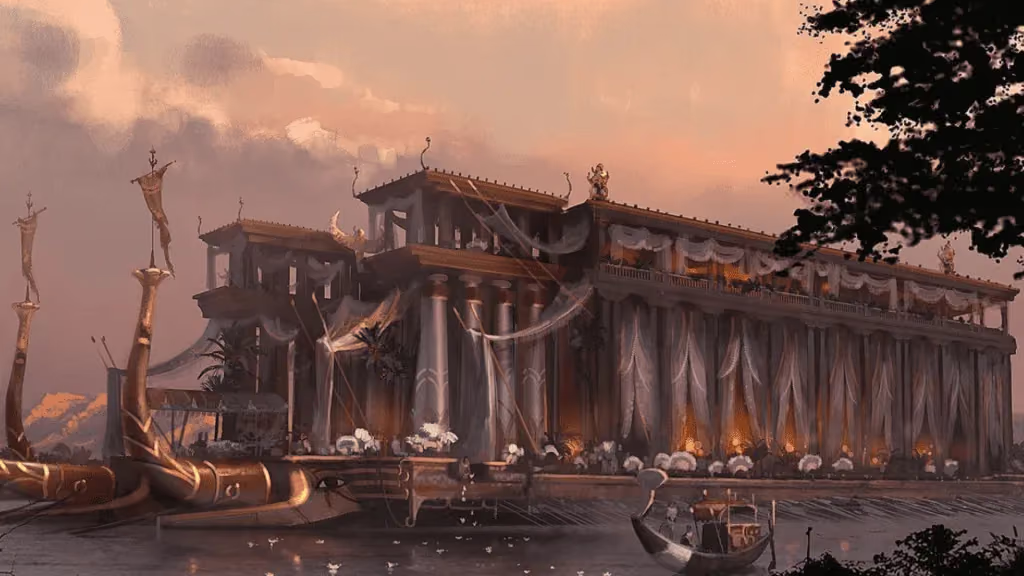
For an example, look no further than the Thalamegos of Ptolemy IV, built in the second century BC. His massive ship was altogether separate from the giant warships and smaller commuting vessels that populated the seas, the Thalamegos was purposefully created as a place to eat, lounge, socialize, and even conduct business. The name itself translates to "room carrier," and while it did often cruise the Nile river, it spent a great deal of time functioning as a palatial waterside home for Ptolemy IV. The concept of a floating palace has been repeated throughout ancient history, from the Thalamegos, to the Nemi ships of ancient Rome, and the stunning 18th century Taj Lake Palace in India that now functions as a hotel.
Of the approximately 2,400 families on houseboats today in downtown Amsterdam, about 750 were moored within the 17th century canal system. Though the Netherlands has always had a strong water culture, living on houseboats came largely out of advantageousness when the second world war created a housing shortage. With a surplus of old cargo ships no longer in use, the Dutch saw a chance to create homes where there were none. The Netherlands continues to be a pioneer of the floating home lifestyle, and even has a bustling floating flower market and a school.
Stateside, would-be houseboat families also seized upon opportunity but for slightly different reasons. The floating home communities of Portland, one of the biggest in the United States, were started largely as a way to live "off the grid" and even to avoid paying property taxes (a practice that the government has since caught up to.) Floating homes were also a cheaper alternative to traditional housing, and their popularity rose during the financial strain of the 1930s.
What's Next: The Future of On-Water Living
The floating homes of today are a far cry from their predecessors. Without a doubt, we are boldly headed into the golden age of the floating lifestyle. Whereas historically a houseboat may have been a cheaper alternative partly because many luxuries were spared, there is no shortage of comfort to be had on a modern floating home, and you can expect to have all of the amenities you're used to on land. Many floating homes boast stunning architecture that is thoughtfully engineered with satisfaction in mind, created specifically for optimizing the human experience.
The first human civilizations were settled around water, and for millennia we have continued to seek it out. Floating homes have been a part of our history for centuries but are steadily claiming their place firmly in the future. In some ways, they are merely an extension of our innate desire to connect with the water, and in others, they are at the cutting edge of human habitation.