The Most Credible Voice in the Floating Economy Isn’t Who You Think
Marcellous “Selly” Butler didn’t discover the marina industry from the outside — he grew up beside it, bought into it, and spent decades watching the same untapped opportunity sit idle. His perspective on where the industry is headed is the most grounded take you’ll find, because it comes from someone who lived every layer of it.
Introduction
For decades, marinas have been built around vessels.
Storage. Service. Fuel.
At their core, they’ve operated as fixed-capacity assets defined by slip count, seasonal demand, and incremental rate increases.
But that model is starting to break.
And the most credible voice driving that shift isn’t coming from a venture-backed startup, a hospitality executive, or an outside investor spotting an emerging trend.
It’s coming from someone who grew up beside the water. Who bought a marina before most people in this industry were thinking about transformation. And who nearly built the future of floating hospitality a decade before the infrastructure existed to support it.
That person is Marcellous “Selly” Butler.
Access Before Ownership
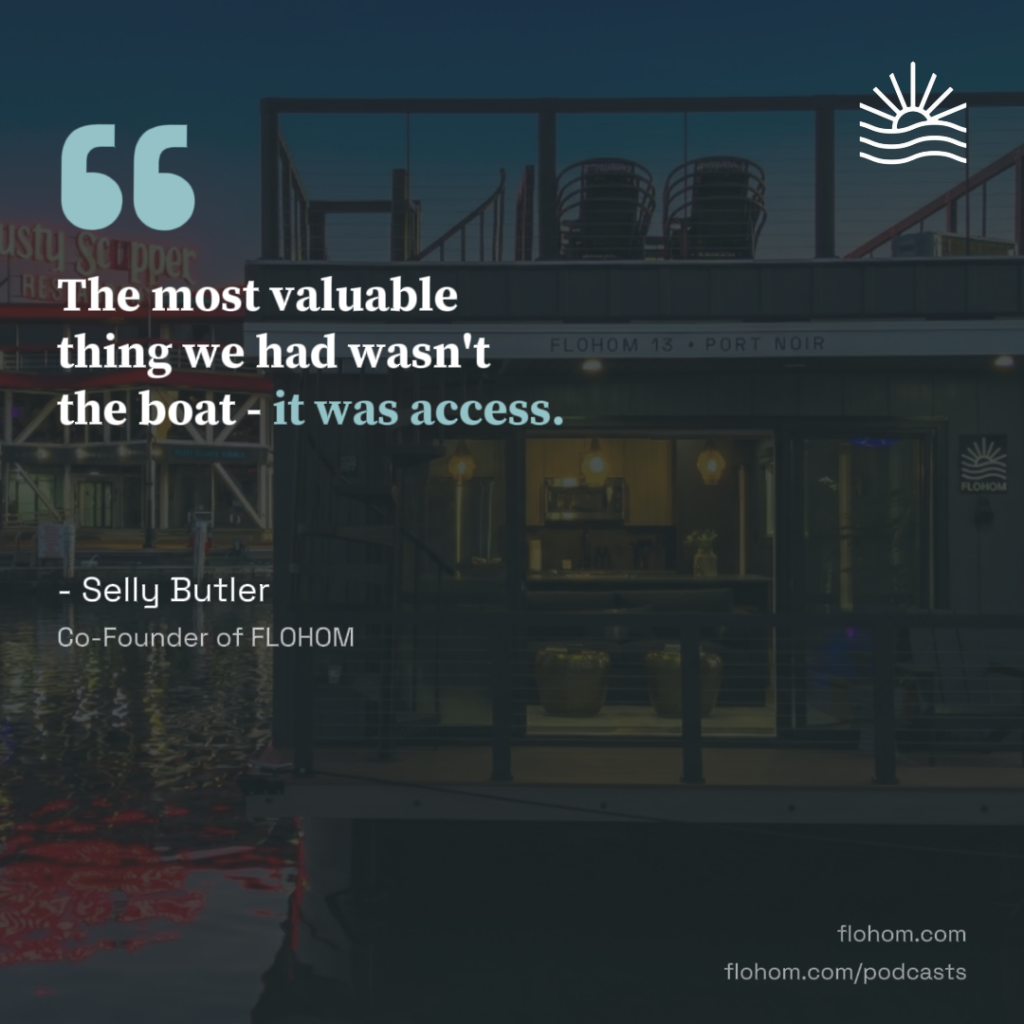
Long before he owned marinas, Selly had something more valuable than capital or connections.
Access.
Growing up in public housing in Annapolis, Maryland, his father owned the only boat in the neighborhood. That boat wasn’t a luxury. It was exposure. It meant seeing a different version of life: waterfront homes, open space, possibility, that existed just beyond the immediate environment.
That early access changed how Selly saw the world.
And ultimately, what he chose to build in it.
Hustle Meets Opportunity
Selly didn’t take a straight line to marina ownership.
He built businesses from scratch across multiple industries, stacking experience and sharpening his instincts for where opportunity hides. That relentless pursuit, what he calls “hustle meeting opportunity,” was what eventually put him in a position to buy his first marina in historic Eastport in the late 1990s.
No marina experience. No institutional backing. No playbook.
What he found when he got there was a business model that hadn’t changed in decades.
Learning the Business Without a Playbook
A marina, at its core, is a real estate asset with fixed capacity.
Revenue comes from slip rentals. Growth comes from incremental rate increases. And the ceiling is defined by how many boats you can physically fit.
For years, that model worked.
Until the limitations became obvious.
Every marina owner eventually runs into the same wall. You can only raise slip rates so much. At a certain point, customers push back, value stagnates, and growth stops. The traditional marina model isn’t built for expansion. It’s built for stability.
That realization led Selly to a question most marina owners weren’t asking yet:
How do you generate more revenue from the same footprint?
Seeing the Opportunity Early
Years before platforms like Airbnb went mainstream, Selly was already experimenting with short-term waterfront rentals.
The takeaway was clear. People don’t need to own boats to want the water. They want access.
That insight led to a bigger idea. What if you could bring hospitality onto the water itself?
The Idea That Didn't Get Built
More than a decade ago, Selly explored building a floating hospitality concept he called Houseboat Row.
The economics worked. The demand was there. But the project never moved forward, not because it wasn’t viable, but because the infrastructure didn’t exist. No builders. No scalable product. No supply chain.
The idea was early. So it died.
This is what separates Selly’s perspective from almost everyone else in this conversation. He didn’t arrive at floating hospitality through a pitch deck or a market report. He arrived at it through lived experience, saw the ceiling of the traditional model firsthand, conceived the solution independently, and watched it fail for reasons that had nothing to do with the vision.
That kind of pattern recognition is rare. And it’s exactly the kind of thinking that shapes industries.
Until Timing Changed
In 2021, that same idea came back through a conversation with Brian Meyer about FLOHOM when it was just an idea.
This time, the difference wasn’t the vision. It was execution.
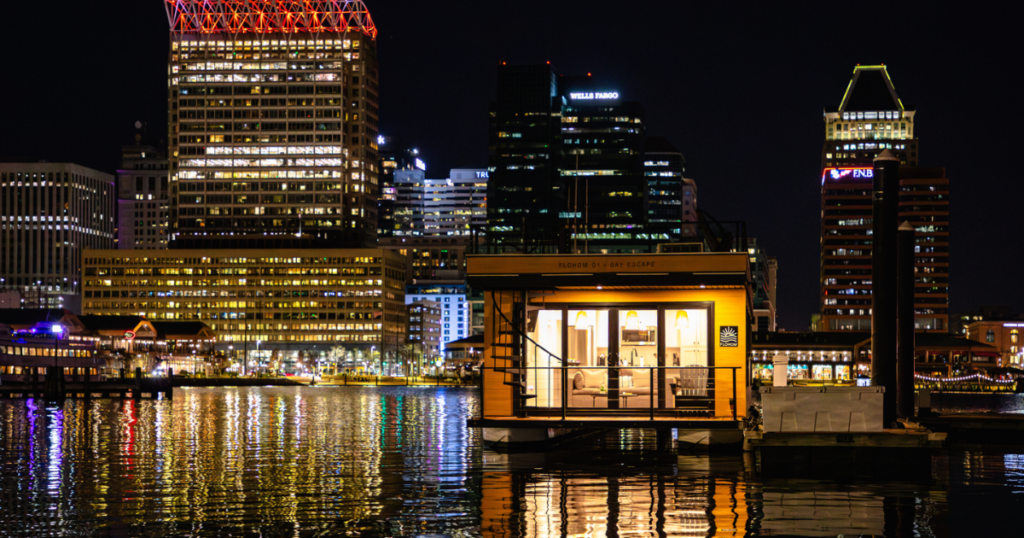
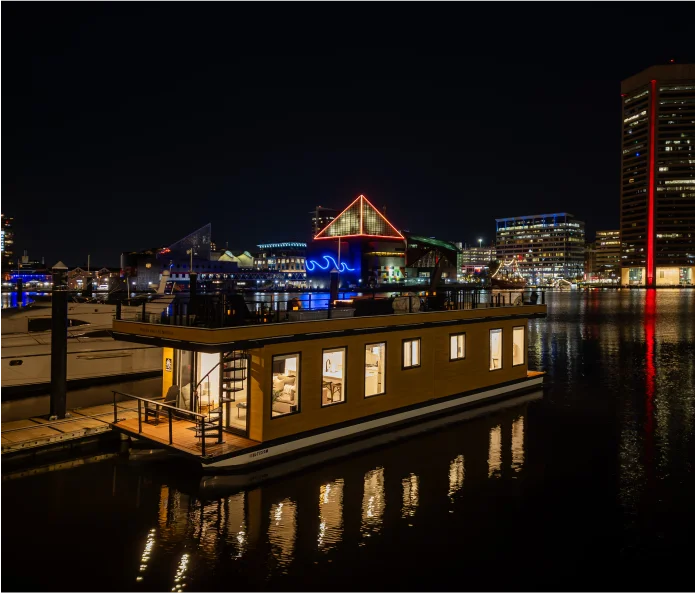
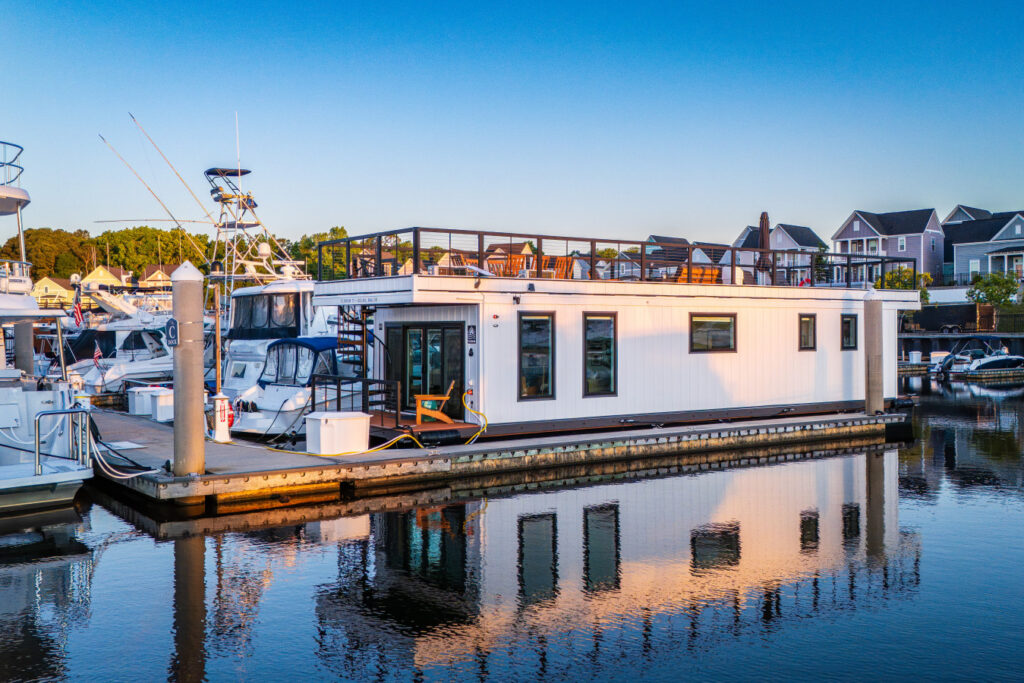
What didn’t exist before could now be built. Modular floating structures. Scalable manufacturing. Repeatable deployment.
The idea didn’t change. The timing did.
The Industry Is Being Forced to Evolve
Today, marina owners are facing real pressure. Rising costs. Inflation. Property taxes. Institutional competition entering markets that were once dominated by independent family operators.
And for the first time, many are asking a question that would have seemed unnecessary a decade ago:
How do we increase revenue per slip?
That question is driving change across the industry. And the operators who answer it first will define what the next era of marinas looks like.
From Storage to Platforms
Marinas are no longer just storage.
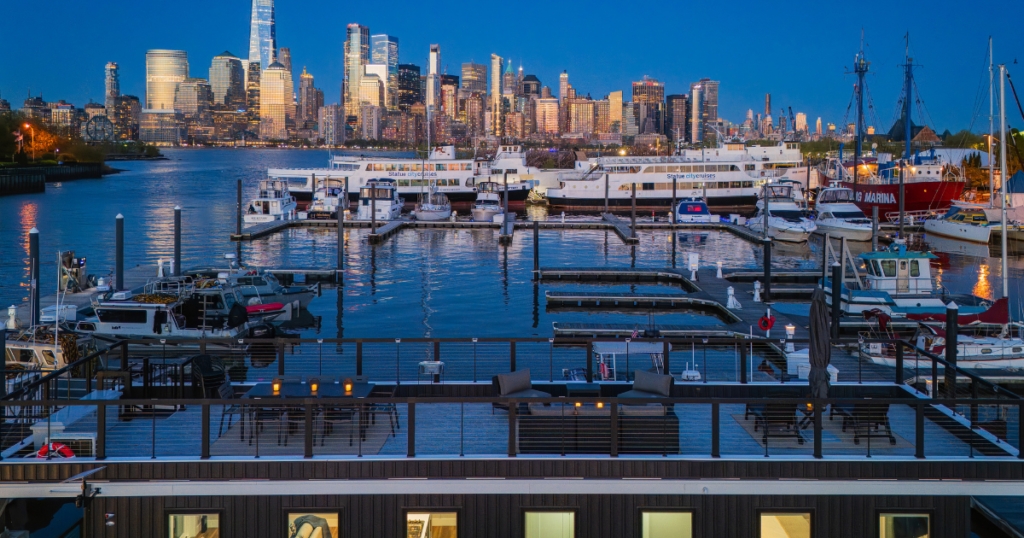
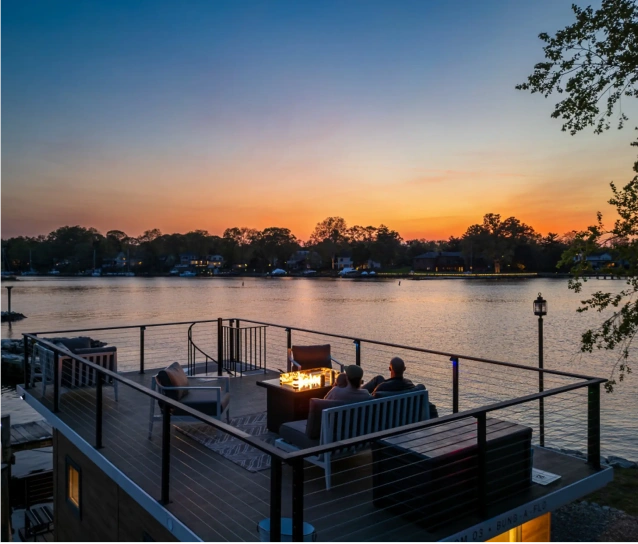
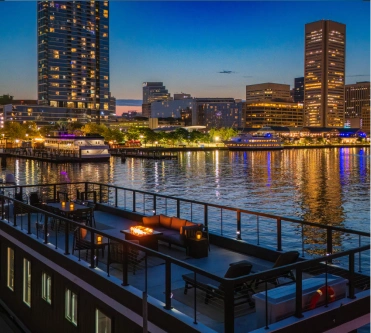
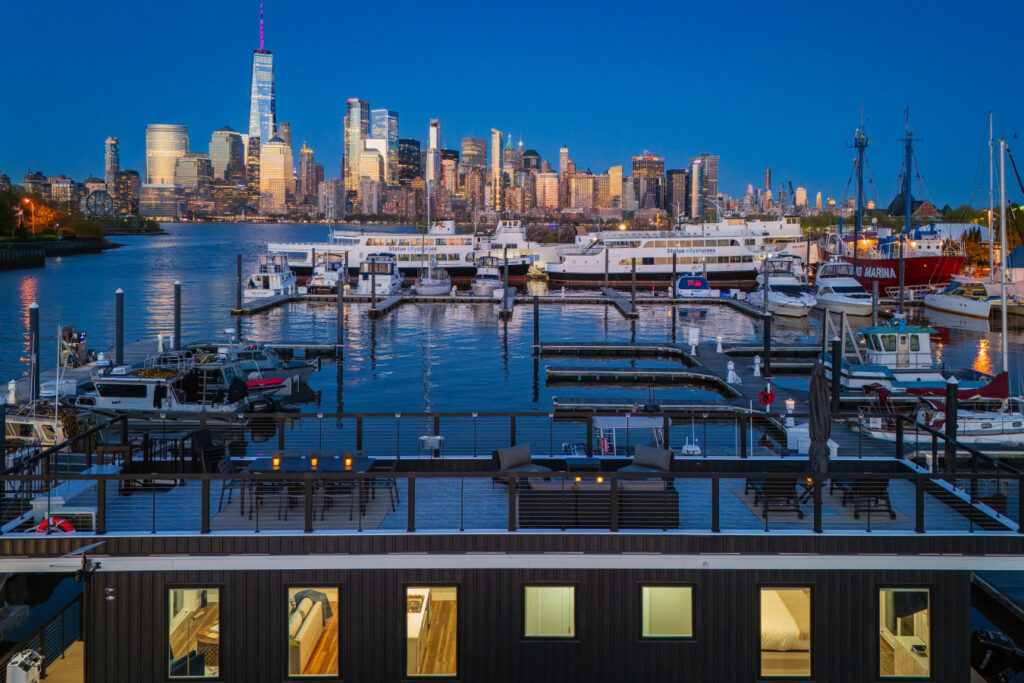
They’re becoming platforms. Places where hospitality meets real estate, access expands beyond boat ownership, and revenue is no longer tied to slip count alone.
The shift isn’t theoretical. It’s already happening at properties across the country where operators are rethinking what their waterfront assets can support.
The Floating Town Center
The end state, according to Selly, isn’t complicated.
It already exists. Just not on the water.
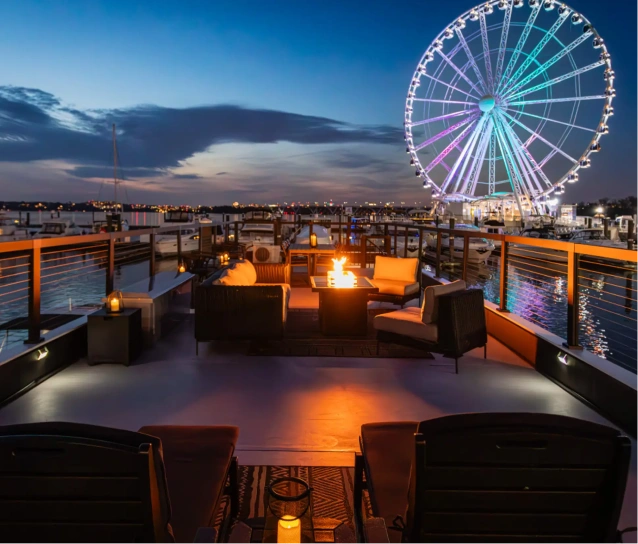
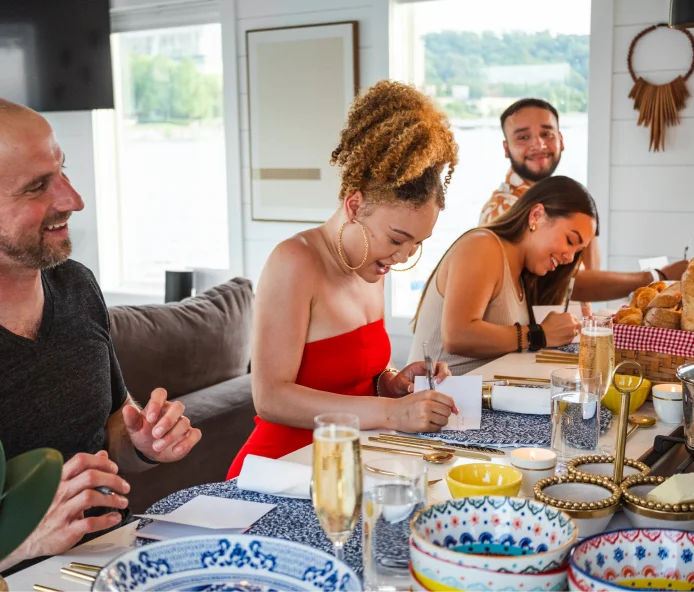
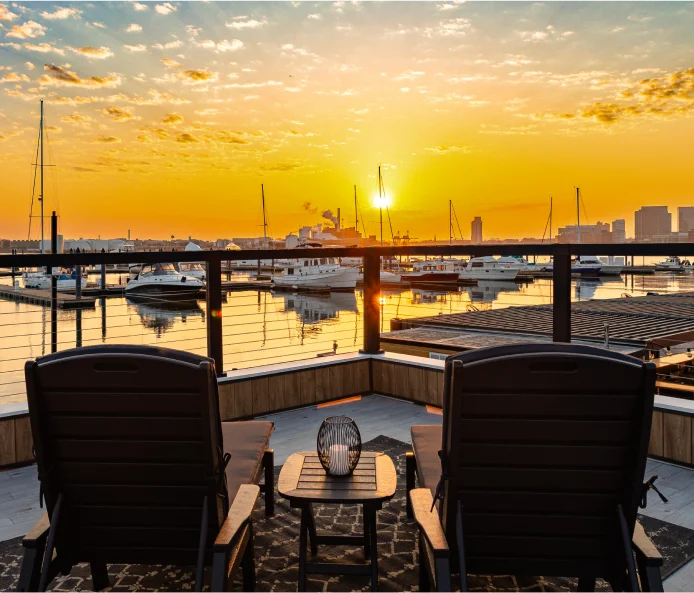
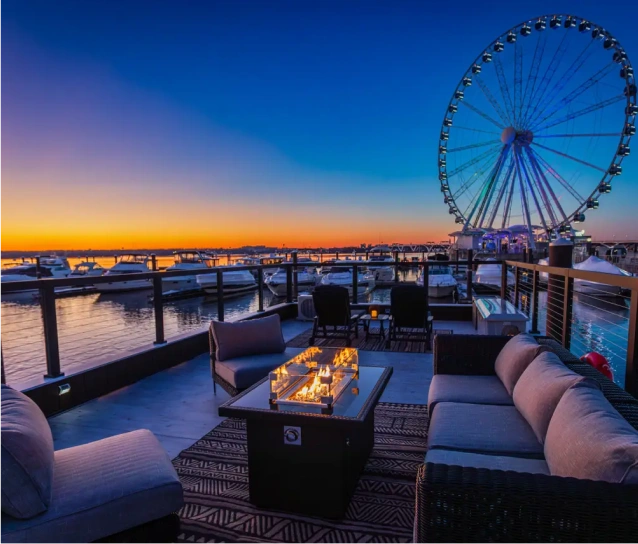
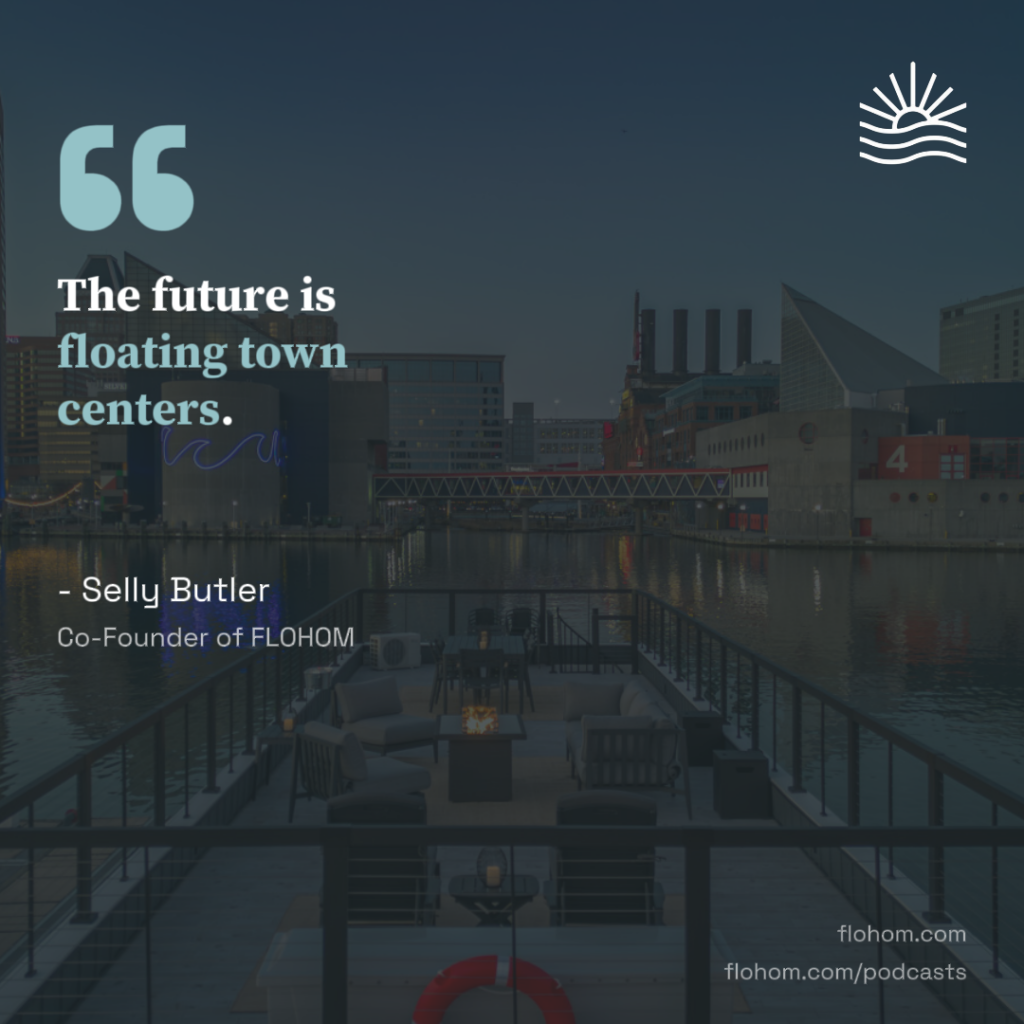
He calls it the Floating Town Center, an environment where boats, guests, and amenities coexist. Where experiences replace static use. Where someone without a boat can walk into a marina, stay on the water, and access everything that environment has to offer alongside the people who have always been there.
Residential. Restaurants. Retail. Experiences. All in one place.
Now imagine that floating.
That’s not a product. That’s a new category of real estate.
Why This Perspective Matters
There is no shortage of people with opinions about where the marina industry is headed.
What’s rare is someone who grew up without access, gained access, built within the system, identified where it breaks, and conceived the solution independently before the tools existed to build it.
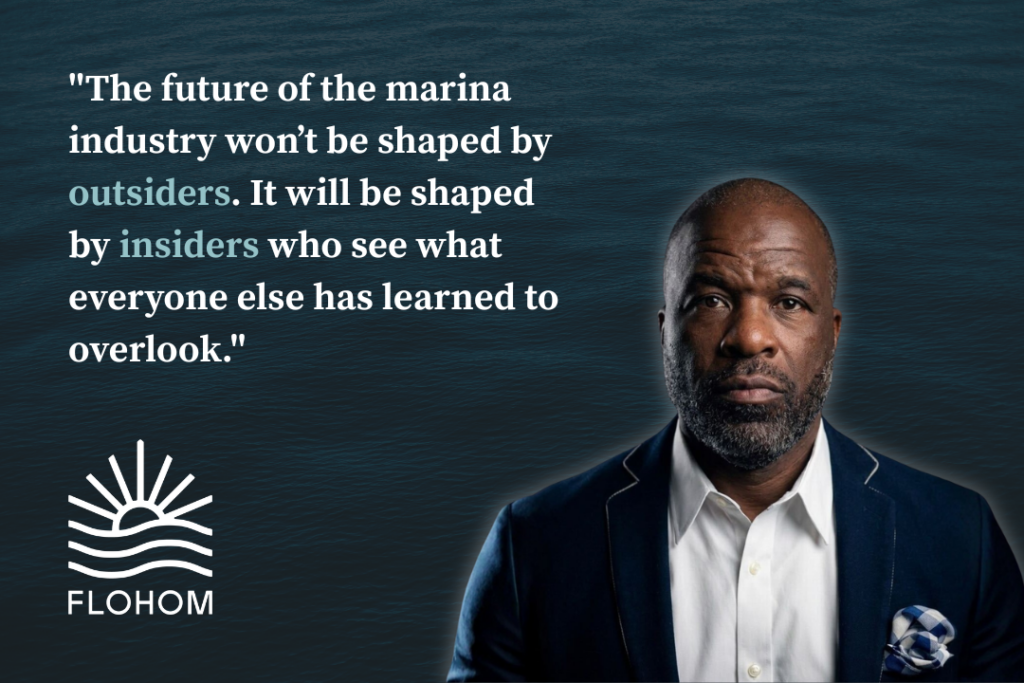
The future of the marina industry won’t be shaped by outsiders with fresh eyes.
It will be shaped by insiders who see what everyone else has learned to overlook.
Selly Butler is one of those people. And the conversation he’s driving, about access, about platforms, about what marinas can become, is one the industry needs to hear.
The Bottom Line
The marina industry is entering a transition phase.
The old model still works. But it doesn’t maximize the opportunity sitting inside every slip, every dock, every waterfront footprint across the country.
The next era won’t be built around vessels.
It will be built around people. Around access. Around experience.
And around a simple idea:
Water isn’t just a location. It’s an economic platform.
Marcellous “Selly” Butler is co-founder of FLOHOM and the featured guest on Episode 2 of The Floating Economy podcast.
Where Hustle Meets Opportunity - Marcellous "Selly" Butler | The Floating Economy Ep. 2
Welcome to Episode 2 of The Floating Economy Podcast, hosted by FLOHOM Co-Founder & President Brian Meyer. In this episode, Brian sits down with FLOHOM Co-Founder and marina owner Marcellous “Selly” Butler — an operator who didn’t just study the marina industry… he lived it. Selly’s story starts in public housing in Annapolis, Maryland — where his father owned the only boat in the neighborhood. That single point of access changed everything.
- Watch on Youtube
- Follow FLOHOM Youtube Channel