Rethinking Marinas as Platforms for Waterfront Innovation
Jerry South built Towne Park into a 13,000-person national hospitality platform before its private equity exit. Now he sees the same fragmentation and untapped potential in the marina industry that he saw in parking thirty years ago.
Introduction
For decades, marinas have largely followed the same operational model.
They store boats. They sell fuel. They collect slip fees.
But according to FLOHOM Co-Founder & Managing Director, Jerry South, the traditional model dramatically undervalues the true potential of waterfront real estate.
South is no stranger to transforming overlooked industries. As the founder of Towne Park, he built one of the largest parking management companies in the United States, scaling the business to more than 13,000 employees and $350 million in revenue before its sale to private equity.
Today, he sees a similar opportunity emerging in the marina industry.
In the first episode of the Floating Economy podcast, South shares how lessons from building Towne Park are shaping a new vision for marinas — one where water becomes programmable economic space, and slips become platforms for entirely new types of experiences.
Seeing Opportunity in Fragmented Industries
One of the most powerful patterns in business is this:
Many industries remain fragmented long after the underlying assets become valuable.
The marina industry is a perfect example.
There are an estimated 10,000 to 12,000 marinas in the United States, yet the largest institutional operators control only a small fraction of them. Most marinas remain independently owned, often operated by families or small regional groups.
While this fragmentation creates operational inconsistency, it also creates opportunity.
South saw the same dynamic in the parking industry decades ago.
At the time, parking was widely viewed as a real estate play. Operators focused primarily on land ownership and parking rates, treating the business as a passive income stream rather than an operational enterprise.
South saw it differently.
He realized that parking, particularly in hospitality settings, was fundamentally a service business.
Hotels cared less about the parking lot itself and more about the guest experience at the front door.
That insight led Towne Park to specialize in hospitality parking services, a niche many competitors initially avoided because it required intensive labor and operational sophistication.
Over time, that decision became a powerful competitive advantage.
South believes a similar opportunity exists in marinas today.
The “Hole in the Water” Insight
Perhaps the most striking idea from the conversation is South’s simple reframing of marina economics.
Most marina owners think in terms of slips and boats.
South thinks in terms of economic potential per square foot of water.
As he puts it:
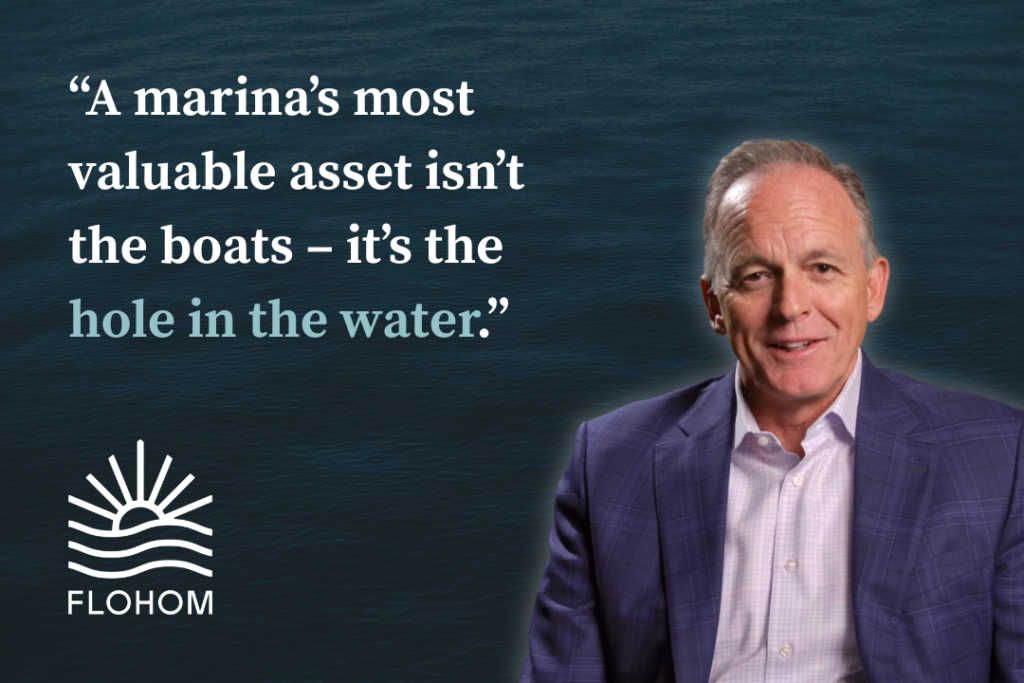
A marina owner’s most valuable asset is the hole in the water.
Historically, that space might generate modest annual revenue through traditional slip rentals. In many markets, a standard slip might produce between $7,000 and $10,000 per year.
But when operators begin to think differently about how that water can be used, the economics change dramatically.
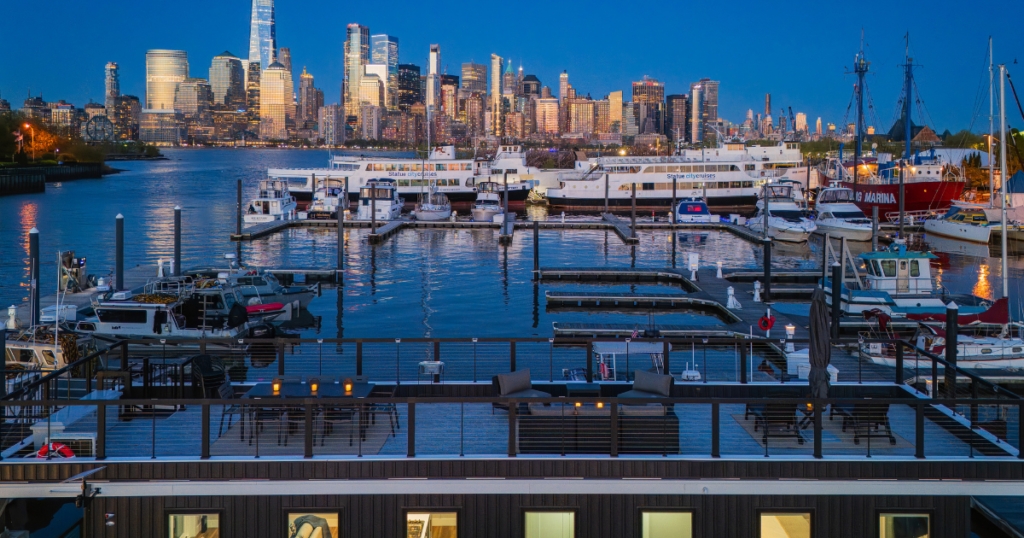
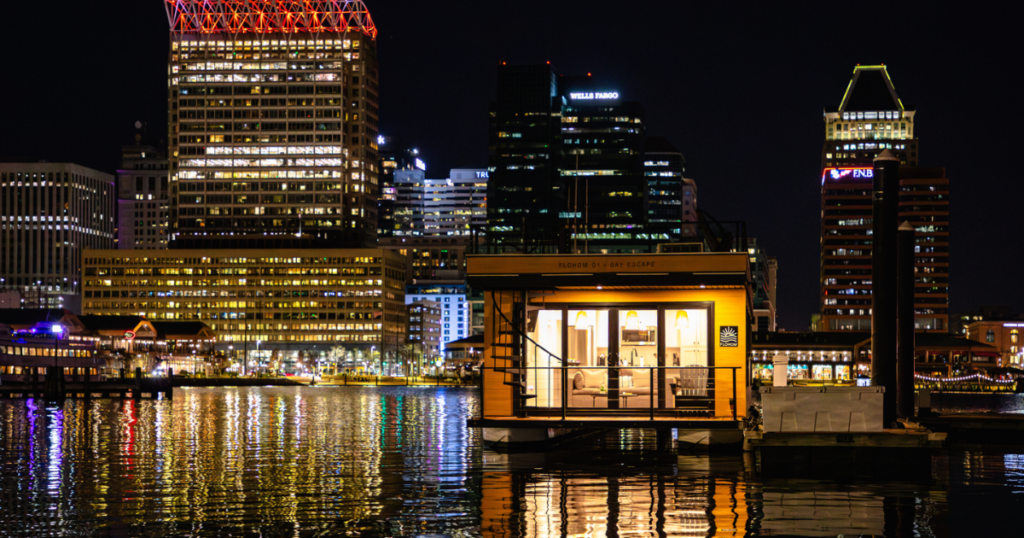
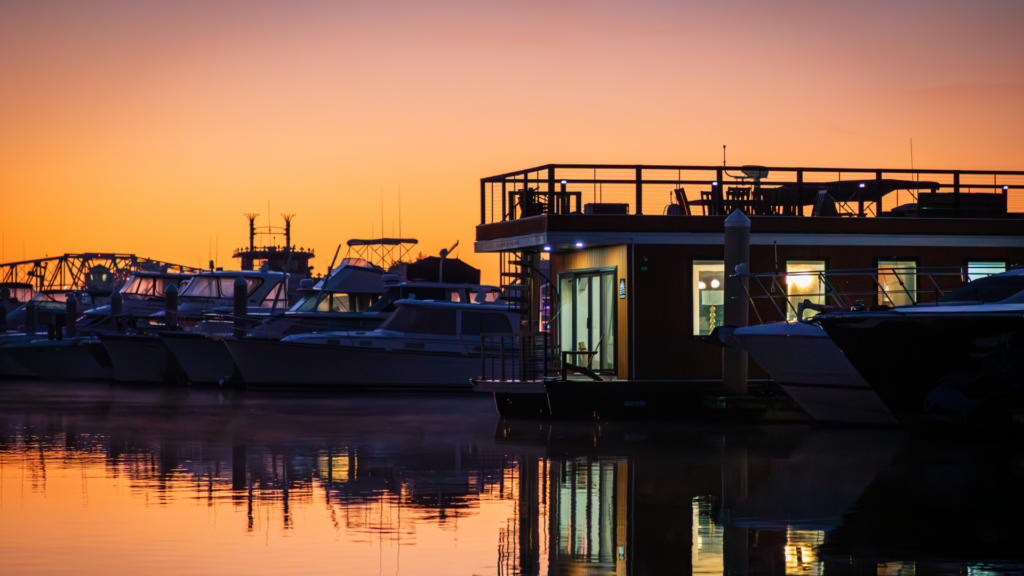
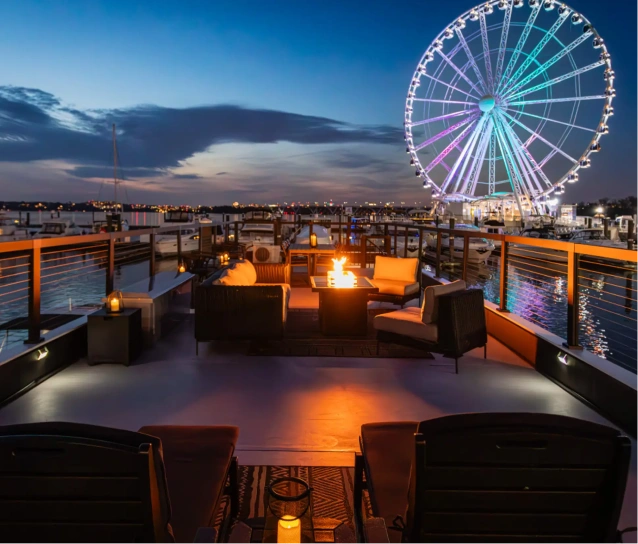
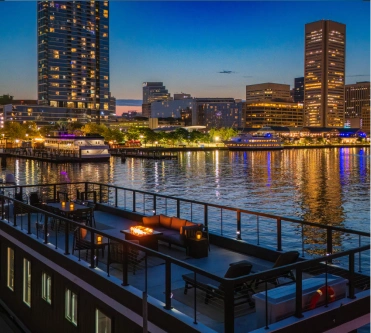
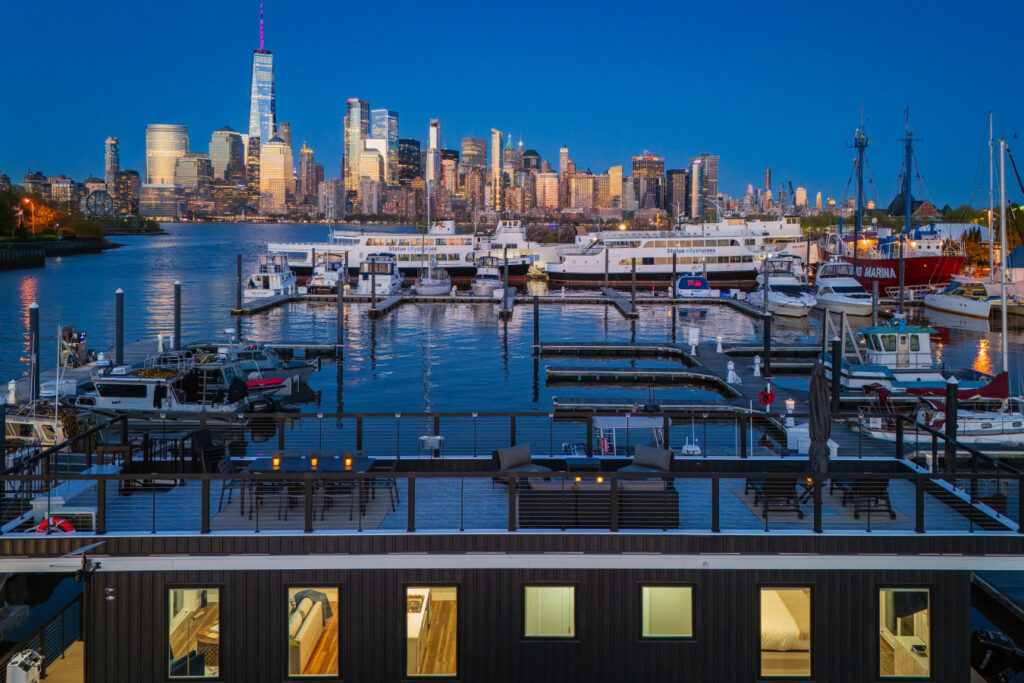
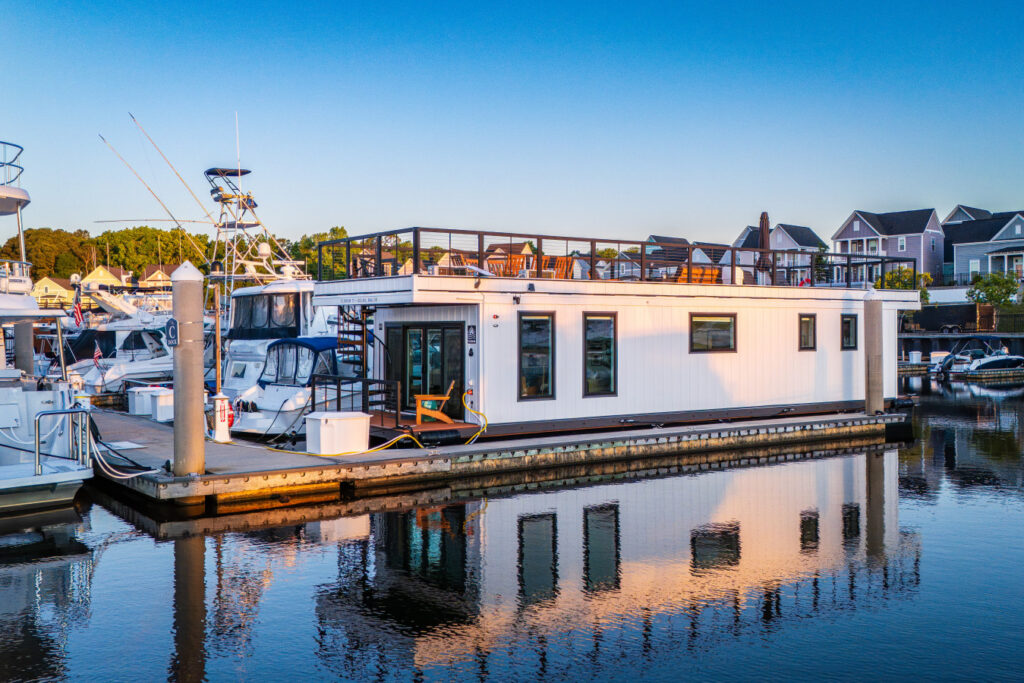
Instead of simply storing vessels, marina slips can support:
- Floating hospitality experiences
- Short-term lodging accommodations
- Waterfront wellness spaces
- Floating restaurants or event venues
- Hybrid marina hospitality environments
These uses can significantly increase the revenue potential of the same physical space.
The core insight is simple but powerful:
Marinas should not be viewed solely as storage facilities for boats.
They can be multi-dimensional waterfront ecosystems.

From Parking to Marinas: A Familiar Playbook
South’s interest in the marina industry isn’t just theoretical. His career provides a blueprint for how overlooked industries evolve.
When Towne Park began focusing on hospitality parking, competitors dismissed the strategy.
Many operators believed hotel parking was too complex. It required trained staff, brand alignment with hotel operators, and a high level of service consistency.
Traditional parking companies preferred simple lots or garages where labor costs were minimal.
But that hesitation created an opportunity.
Towne Park leaned into the complexity.
By specializing in hospitality operations and building strong relationships with hotel brands and ownership groups, the company carved out a dominant niche within the broader parking industry.
South believes a similar pattern is emerging in marinas.
Today, many marina operators remain skeptical of new models such as floating hospitality or alternative uses for slip space.
That skepticism is common in industries undergoing change.
As South describes it:
The Rise of the Floating Economy
If South’s prediction proves correct, the marina industry may be approaching a major transformation.
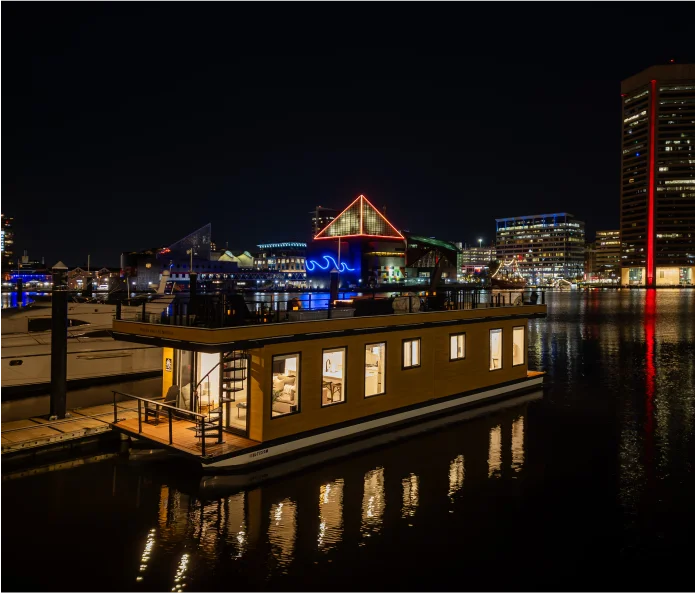
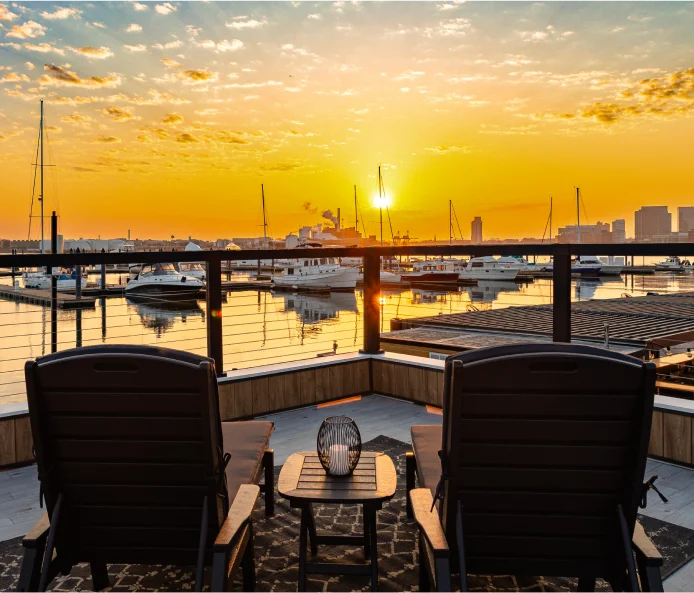
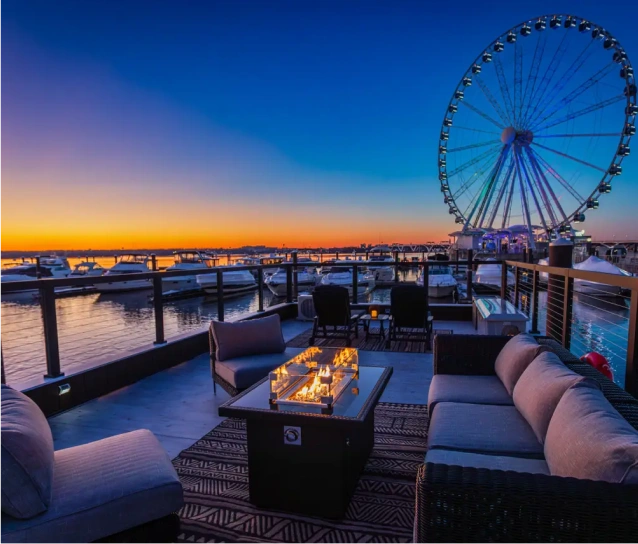
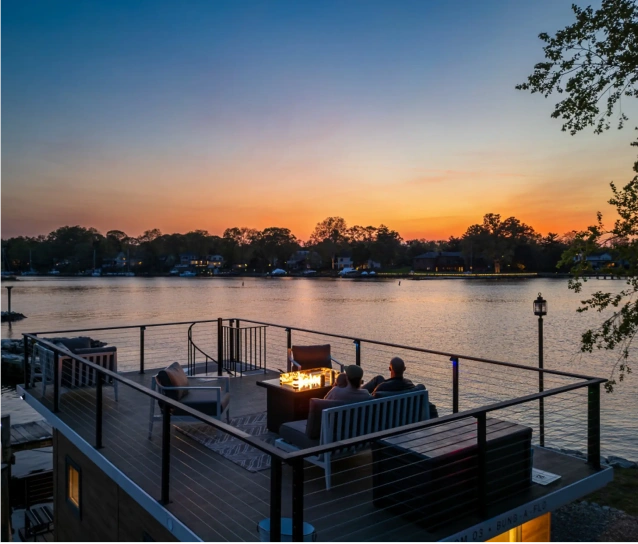
Rather than serving solely as storage facilities for recreational vessels, marinas could evolve into dynamic waterfront destinations combining hospitality, recreation, lodging, and community experiences.
In this emerging model, the marina becomes a platform rather than a parking lot for boats.
A platform where:
- hospitality meets real estate
- tourism meets infrastructure
- and water becomes programmable economic space
South believes that over time, these concepts will no longer feel experimental.
They will become commonplace.
Just as drive-through restaurants or high-rise apartments once seemed unusual before becoming standard.
The marinas that recognize this shift early may unlock enormous value from assets that have historically been underutilized.
And in doing so, they may help define what the floating economy ultimately becomes.
After Scaling to $350M, Now He’s Reimagining Marinas - Jerry South | The Floating Economy Ep. 1
Welcome to the inaugural episode of The Floating Economy Podcast, hosted by FLOHOM Co-Founder & President Brian Meyer. In Episode 1, Brian sits down with FLOHOM Managing Director and business partner Jerry South — founder and former CEO of Town Park, one of the largest hospitality parking companies in the United States, scaled to 13,000+ employees and nearly $350M in revenue before a landmark private equity transaction. This conversation isn’t about parking. It’s about pattern recognition. Vision. Scale. Leadership. And building industries that don’t yet exist.
- Watch on Youtube
- Follow FLOHOM Youtube Channel